

There is something quietly lovely about a cookie that does not try too hard. No chocolate chips spilling everywhere, no frosting piled on top, no loud flavours competing for attention. Just butter, sugar, flour, and a little patience — and in this case, a spoonful of honey and the soft, floral whisper of lavender. These lavender honey shortbread cookies are the kind of bake you make on a slow afternoon, when the kitchen is warm and there is nowhere else you need to be. They are crumbly at the edges, tender in the middle, and they carry just enough lavender to make people pause after the first bite and ask what that lovely flavour is.
I first came across the idea of putting lavender in shortbread at a small garden café years ago, where the cookies arrived on a plain white plate next to a pot of tea. I had always thought of lavender as something for soap and sachets, not for eating, and I was half expecting the cookie to taste like a candle. It did not. It tasted like butter first, then honey, and then — right at the end — a gentle floral note that made the whole thing feel a little bit special. I went home and started experimenting, and it took me a good few batches to get the balance right. Too much lavender and the cookies taste soapy. Too little and you might as well leave it out. The version below is the one I kept coming back to, the one friends now ask for by name.
If you enjoy simple bakes like this, you will find plenty more in our desserts and baking collection, where the recipes stay honest and the ingredients stay ordinary.
Why This Recipe Works So Well
Shortbread has been around for centuries, and the reason it has lasted this long is that it asks almost nothing of the cook. The classic ratio is simple — one part sugar, two parts butter, three parts flour — and everything else is a variation on that theme. Because there is no egg and no leavening to worry about, the cookies come out the same way almost every time, which makes them a wonderful bake for beginners and a reliable one for everyone else. The texture is the whole point: shortbread should snap softly at the edge and then melt, not crunch like a biscuit or bend like a chewy cookie.
Honey does two useful things here. First, it adds a warm, rounded sweetness that plain sugar cannot quite manage on its own. Second, it keeps the cookies tender for longer, so a batch baked on Sunday still tastes good on Wednesday. Lavender, meanwhile, works best when it is treated as a background note rather than the star. Culinary lavender — the kind grown and dried for cooking, usually lavender angustifolia — has a softer, sweeter flavour than the lavender you find in potpourri, and a single teaspoon of the dried buds is enough for a whole batch. Grinding the buds with the sugar before you mix the dough is the trick that makes the flavour spread evenly instead of landing in little floral bursts.
The other thing that makes this recipe work is the chill. Shortbread dough is mostly butter, and butter that is too warm will spread in the oven and turn your neat rounds into flat puddles. An hour in the fridge firms the dough up, lets the flour hydrate, and gives the lavender time to infuse into the butter. It is the least exciting step in the recipe and also the one that matters most, so do not skip it.
Ingredients
You will need:
- 225g (1 cup) unsalted butter, softened but still cool to the touch
- 80g (⅓ cup) caster sugar, plus a little extra for sprinkling
- 3 tablespoons runny honey
- 1 teaspoon dried culinary lavender buds
- 1 teaspoon vanilla extract
- 300g (2½ cups) plain flour
- ¼ teaspoon fine sea salt
- 1 tablespoon cornflour (optional, for an extra-tender crumb)
A note on the lavender: make sure you buy culinary lavender, not the kind sold for crafts or potpourri, which may have been treated with oils or chemicals. Food-grade dried lavender is easy to find in spice shops and online, and a small bag will last you through many batches of these cookies, not to mention lavender sugar and lavender lemonade. If you can only find lavender sold as a tea, that works too, as long as the only ingredient listed is lavender flowers.
The butter matters more than you might think. Use real butter, not a spread, and take it out of the fridge about thirty minutes before you start so it softens enough to cream but does not turn oily. If your kitchen is very warm, ten minutes may be enough. You want it to give easily when pressed with a finger, without leaving a greasy shine on your hands.
How to Make Lavender Honey Shortbread Cookies
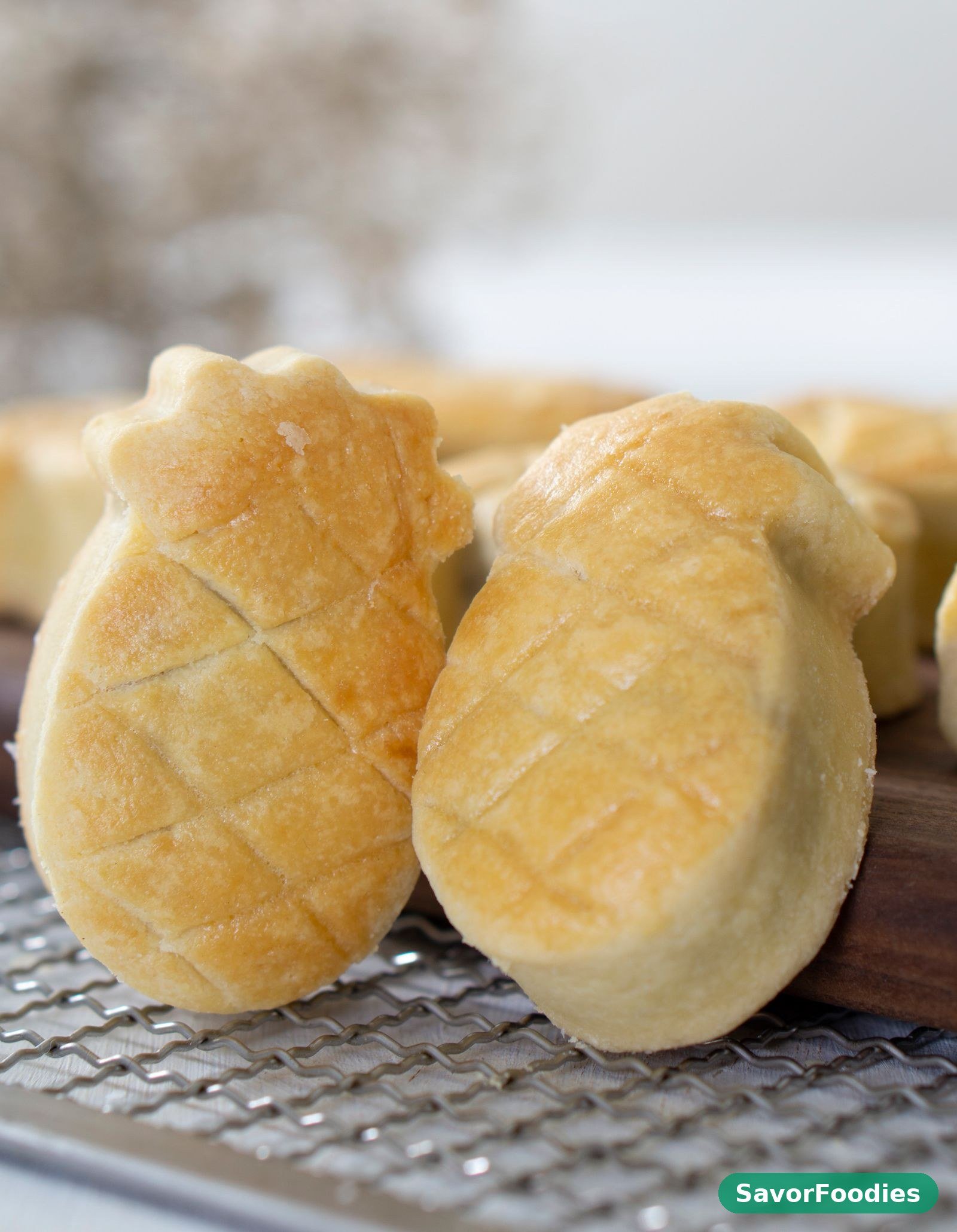
Start by putting the dried lavender buds and the caster sugar into a small food processor or a spice grinder and pulsing them together for a few seconds. You are not trying to turn them into powder — just breaking the buds down enough that their flavour spreads through the dough instead of sitting in whole pieces. If you do not have a processor, a pestle and mortar does the same job, and honestly, there is something quite pleasant about grinding lavender by hand while the kitchen smells faintly of flowers. Tip the lavender sugar into a large mixing bowl.
Add the softened butter and the honey to the bowl and beat them together with a wooden spoon or an electric mixer on medium speed for about two minutes, until the mixture is pale, creamy, and light. This step is doing real work: beating air into the butter is what gives shortbread its delicate texture, so do not rush it. Scrape down the sides of the bowl once or twice as you go, so everything mixes evenly. Stir in the vanilla extract.
Now sift the flour, cornflour, and salt over the bowl and mix on the lowest speed, or by hand with a spatula, just until a soft dough comes together. The moment you can no longer see streaks of flour, stop. Overmixing is the quickest way to ruin shortbread, because working the flour too much develops gluten and turns tender cookies tough. The dough will look a little crumbly at first and then suddenly come together — that is exactly what you want.
Turn the dough out onto a sheet of cling film and shape it into a log about 5cm (2 inches) across, rolling it gently to smooth the sides. Twist the ends of the film to seal it, and put the log in the fridge for at least one hour, or up to two days if you are baking ahead. This is also a good moment to preheat nothing and wash nothing — the oven can wait.
When the dough is firm, heat the oven to 170°C (150°C fan / 325°F) and line two baking trays with baking paper. Unwrap the log and cut it into rounds about 1cm (just under half an inch) thick. A sharp knife works best, and if the log has flattened slightly on one side while chilling, just roll it gently on the counter to round it out again before slicing. Lay the rounds on the trays, leaving about 3cm between them, and sprinkle each one with a tiny pinch of caster sugar.
Bake for 14 to 16 minutes, until the edges are just turning the palest gold and the centres still look a little soft. Shortbread should never brown deeply — if the edges are golden brown, they have gone too far, and the lavender will taste bitter rather than floral. Leave the cookies on the tray for five minutes to firm up, then move them to a wire rack to cool completely. They will crisp up as they cool, and the flavour will deepen a little too, so try to wait at least twenty minutes before eating one. I know. It is hard.
Tips for the Best Shortbread
The first thing to know is that the temperature of your butter sets the tone for the whole bake. Butter that is too soft will give you cookies that spread and lose their shape, while butter straight from the fridge will not cream properly and the dough will be crumbly and hard to slice. Cool room temperature is the sweet spot, and if you are ever unsure, err on the cooler side — you can always beat the dough a little longer, but you cannot un-melt butter.
Second, measure your flour properly. Scooping flour straight from the bag with a measuring cup packs it down and can add as much as a third more than the recipe intends, which makes the cookies dry and chalky. Spoon the flour into the cup and level it off with a knife, or better still, weigh it. Shortbread has so few ingredients that every one of them has to be right, and flour is the one people get wrong most often.
Third, do not be tempted to add more lavender. I know it is tempting — you want the flavour to be obvious, and a teaspoon does not look like much. But lavender is a strong flavour, and the line between floral and soapy is thinner than you would think. One teaspoon per batch is the amount that lets the honey and butter lead and the lavender follow. If you want a stronger floral note, serve the cookies with lavender tea instead of adding more buds to the dough.
Finally, watch the oven, not the clock. Every oven runs a little differently, and shortbread goes from perfect to overdone in about two minutes. The cookies are ready when the edges are barely coloured and the tops still look pale. They will feel soft when you take them out, and that is fine — they firm up as they cool, and that softness is what makes them melt in the mouth rather than crunch.
Variations to Try
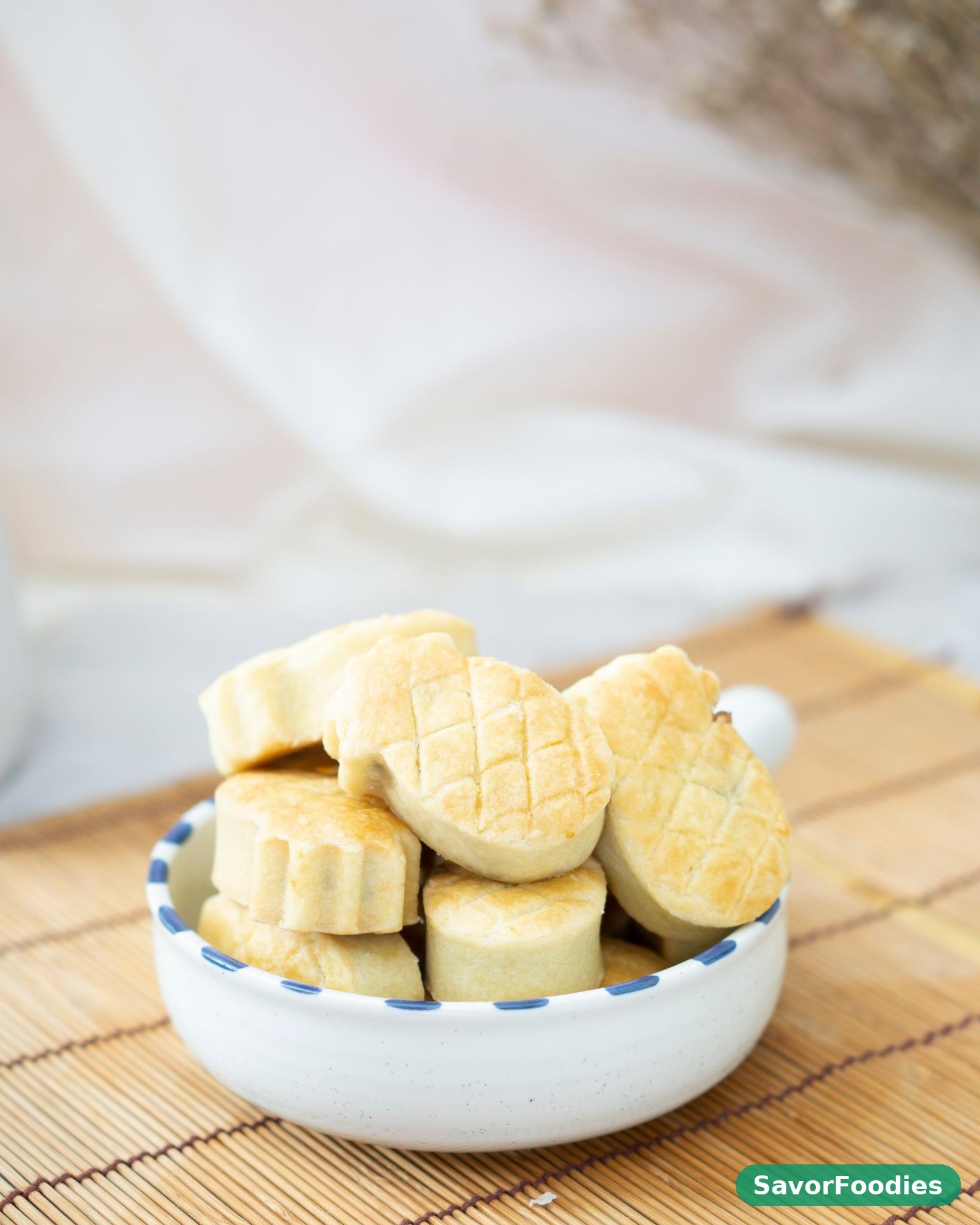
Once you have the basic recipe down, it is easy to play with. A teaspoon of finely grated lemon zest stirred in with the butter gives the cookies a bright, citrus lift that works beautifully with the lavender — lemon and lavender are old friends, and the combination tastes like a garden in spring. Orange zest works too, though it makes the flavour a little warmer and rounder.
If you like a little texture, try dipping half of each cooled cookie in melted white chocolate and scattering a few extra lavender buds over the top before the chocolate sets. It looks lovely on a plate, and the sweetness of the white chocolate balances the floral notes nicely. Dark chocolate works as well, though it is a bolder pairing and tends to take over a little.
For a fancier version, roll the log of dough in coarse sugar before chilling it, so each slice comes out with a sparkly, crunchy edge. It is a small change that makes the cookies look like something from a bakery, and it is a nice touch if you are making them as a gift. You can also cut the dough with a small flower-shaped cutter instead of slicing rounds, though you will need to chill the cut shapes again before baking so they hold their edges.
And if lavender is not your thing at all, the same base recipe makes a beautiful plain honey shortbread — just leave the lavender out and add an extra tablespoon of honey. Or swap the lavender for a teaspoon of dried rosemary, finely chopped, for a savoury-sweet cookie that is wonderful with cheese.
How to Store Them
These cookies keep very well, which is part of their charm. Once they are completely cool, store them in an airtight tin or container at room temperature, with a sheet of baking paper between layers if you are stacking them. They will stay crisp and tender for up to a week, and the flavour actually improves a little over the first day or two as the lavender settles into the butter.
If you want to keep them longer, they freeze beautifully. Layer the baked cookies between sheets of baking paper in a freezer-safe container and they will keep for up to three months — just let them come back to room temperature for about twenty minutes before serving. You can also freeze the unbaked dough log, wrapped tightly in cling film and then foil, for up to two months. Slice it straight from frozen, adding a couple of extra minutes to the baking time, and you can have warm shortbread on a day when you have no time to bake from scratch. It is one of my favourite kitchen tricks, and it has saved more than one unexpected afternoon tea.
What to Serve With Them
These cookies were made for tea. A pot of Earl Grey or chamomile is the obvious partner, but they are just as good with a milky coffee or a glass of cold milk. Because they are not very sweet, they sit happily next to something richer — a scoop of vanilla ice cream, a bowl of fresh berries with cream, or a slice of lemon drizzle cake. They also make a lovely gift: stack half a dozen in a cellophane bag, tie it with a ribbon, and you have something that looks thoughtful and tastes even better.
If you are putting together a dessert table or an afternoon tea spread, these cookies sit nicely alongside our easy lemon drizzle cake and a batch of small batch chocolate chip cookies without brown sugar — the three together give you floral, citrus, and chocolate, which is a combination that pleases just about everyone.
Frequently Asked Questions
Can I use fresh lavender instead of dried?
You can, but you will need about twice as much, since fresh buds hold more water and less concentrated flavour. Use two teaspoons of fresh buds, strip them from the stems, and chop them finely before mixing them with the sugar. Make sure the lavender has not been sprayed with anything — only use flowers from a plant you know is untreated. Dried culinary lavender is more reliable and easier to measure, which is why the recipe calls for it.
Is culinary lavender safe to eat?
Yes, in the small amounts used in cooking. Culinary lavender is simply lavender grown and dried for food use, and a teaspoon spread across a whole batch of cookies is well within the amounts used in traditional cooking. The important thing is to buy food-grade lavender from a reputable source, not lavender sold for crafts, potpourri, or essential oil, which may have been treated with chemicals that are not meant to be eaten.
Why did my shortbread spread in the oven?
Almost always, the butter was too warm or the dough was not chilled long enough. Shortbread dough needs to go into the oven cold, so the butter melts slowly and the cookies hold their shape. If your kitchen is warm, chill the sliced rounds on the tray in the fridge for fifteen minutes before baking. Also check that your oven is not running hot — an oven thermometer is a cheap tool that solves a surprising number of baking mysteries.
Can I make the dough ahead of time?
Absolutely, and it is one of the best things about this recipe. The dough log will keep in the fridge for up to two days, and in the freezer for up to two months if wrapped well. In fact, the flavour gets a little better after a night in the fridge, because the lavender has more time to infuse into the butter. Just slice and bake straight from the fridge, or from frozen with a couple of extra minutes in the oven.
What if I do not have cornflour?
Just leave it out and use the full amount of plain flour. The cornflour is there to make the crumb a little more tender, but the difference is subtle, and the cookies will still be lovely without it. Do not substitute baking powder or bicarbonate of soda — shortbread does not need leavening, and adding it will change the texture completely.
How do I know when the cookies are done?
Look at the edges, not the tops. The cookies are ready when the edges are just starting to turn the palest gold and the centres still look soft and pale. They will feel tender when you take them out of the oven, and they firm up as they cool. If you wait until they look fully baked and golden on top, they will be overdone and the lavender will taste bitter.
There is a particular pleasure in baking something this simple and having it turn out this well. These lavender honey shortbread cookies do not need fancy equipment or hard-to-find ingredients — just good butter, a little honey, and the patience to let the dough chill. Make a batch for your own tea time, or make two and give one away. Either way, you will probably find yourself making them again sooner than you planned.
For more simple, honest bakes, have a look around SavorFoodies — the kitchen is always open, and there is usually something in the oven.