

There is a particular kind of dinner I come back to again and again, and it is not the fancy one. It is the one where everything lands in a single pan, the kitchen smells like garlic and fresh herbs within ten minutes, and by the time I have set the table the whole thing is done. This one-pan garden herb chicken and white bean skillet is that dinner. It started as a way to use up a bunch of herbs from the garden before they went limp, and it turned into one of those recipes I now make without really thinking about it, because it never asks for much and always tastes like I tried harder than I did.
The first time I made it, I had a pack of chicken thighs, a tin of white beans, and a handful of rosemary, thyme and parsley that needed using that day. I did not plan anything. I browned the chicken, threw in garlic and onion, added the beans with a splash of stock, and let it all simmer while I chopped the herbs. When I lifted the lid, the beans had gone creamy at the edges, the chicken was falling apart at the bone, and the sauce had thickened into something rich enough to spoon over bread. That was the whole recipe, more or less, and it has barely changed since. Sometimes the best dinners are the ones you almost do not cook at all.
What makes this skillet worth making on a regular Tuesday is how complete it feels. You get juicy chicken, creamy beans, a garlicky sauce and a pile of fresh herbs, all from one pan and about forty minutes, most of which is hands-off simmering. There is no side dish to juggle, no second pot to wash, and the leftovers might actually be better the next day. If you like the kind of cooking that leaves you with a full plate and an empty sink, this one belongs in your rotation, and you will find plenty more dinners built the same way in our one-pan skillet meals collection.
Why This Recipe Works So Well
The secret here is not complicated, but it is worth understanding because it is what separates a good skillet dinner from a forgettable one. It starts with browning the chicken properly. Bone-in, skin-on thighs go into a hot pan, skin side down, and they stay there until the skin is deeply golden and crisp. That takes a good eight minutes, and the temptation is to move them around, check them, fiddle with them. Do not. The skin needs uninterrupted contact with the pan to render its fat and crisp up, and that rendered fat becomes the base of the entire sauce. If you rush this step, you lose flavour that no amount of seasoning later can put back.
Second, the beans go in at the right moment. Cannellini beans are the right choice here because they hold their shape while still turning soft and creamy inside, and a few of them break down in the simmer and thicken the sauce naturally. If you have only ever thought of beans as something that sits on the side of the plate, this dish will change your mind. A cannellini bean is a mild, creamy white bean that soaks up the flavour of whatever it cooks in, which in this case is garlicky chicken fat, stock, lemon and herbs. By the end, the beans taste like they have been simmering all afternoon, even though it has only been twenty minutes.
Third, the herbs are treated in two waves. The woody herbs, rosemary and thyme, go in early, because they need heat and time to give up their flavour. The soft herbs, parsley and a little basil if you have it, go in at the very end, off the heat, so they stay bright and fresh instead of turning dark and tired. This is the difference between a dish that tastes herby and a dish that just looks herby. A skillet dinner like this one lives or dies on that final scattering of fresh green, so do not skip it, and do not add the parsley while the pan is still bubbling hard.
Ingredients You Need
You do not need anything unusual here. Most of this is pantry food, and the fresh things are the ones worth buying properly.
- 6 bone-in, skin-on chicken thighs (about 900 g / 2 lb)
- 1 teaspoon fine sea salt, plus more to taste
- 1/2 teaspoon black pepper, freshly ground
- 1 tablespoon olive oil
- 1 medium onion, finely diced
- 4 cloves garlic, thinly sliced
- 1 tablespoon tomato paste
- 1/2 teaspoon dried oregano
- 1/4 teaspoon chilli flakes (optional, but lovely)
- 2 tins (400 g each) cannellini beans, drained and rinsed
- 240 ml (1 cup) chicken stock, low sodium if you have it
- 1 tablespoon lemon juice, plus lemon wedges for serving
- 2 sprigs fresh rosemary, leaves stripped and chopped
- 4 sprigs fresh thyme, leaves stripped
- A large handful of fresh flat-leaf parsley, chopped
- A few basil leaves, torn (optional)
- Crusty bread, for serving
A note on the chicken, because it matters more than anything else in the pan: bone-in, skin-on thighs are the right cut, and it is worth saying why. Thighs have more fat and connective tissue than breasts, which means they stay juicy through a long simmer instead of drying out, and the bone adds flavour to the sauce as it cooks. Skin-on matters too, because the crisp skin is half the pleasure of the dish and the rendered fat is what the sauce is built on. If all you have is boneless thighs, they will work, but reduce the simmering time by about five minutes and expect the sauce to be a little less rich. Chicken breast is the one swap I would not make here. It will be dry by the time the beans are done, and no amount of sauce fixes that.
For the beans, tinned cannellini beans are absolutely fine, and honestly I use them almost every time. If you have dried beans and the patience to soak and cook them, they will be wonderful, but this is a weeknight dinner and nobody is keeping score. Do rinse the tinned beans well, though. The liquid in the tin is starchy and a little slimy, and it will make the sauce gluey instead of silky. A good rinse under cold water, a shake in the colander, and they are ready.
How to Make It
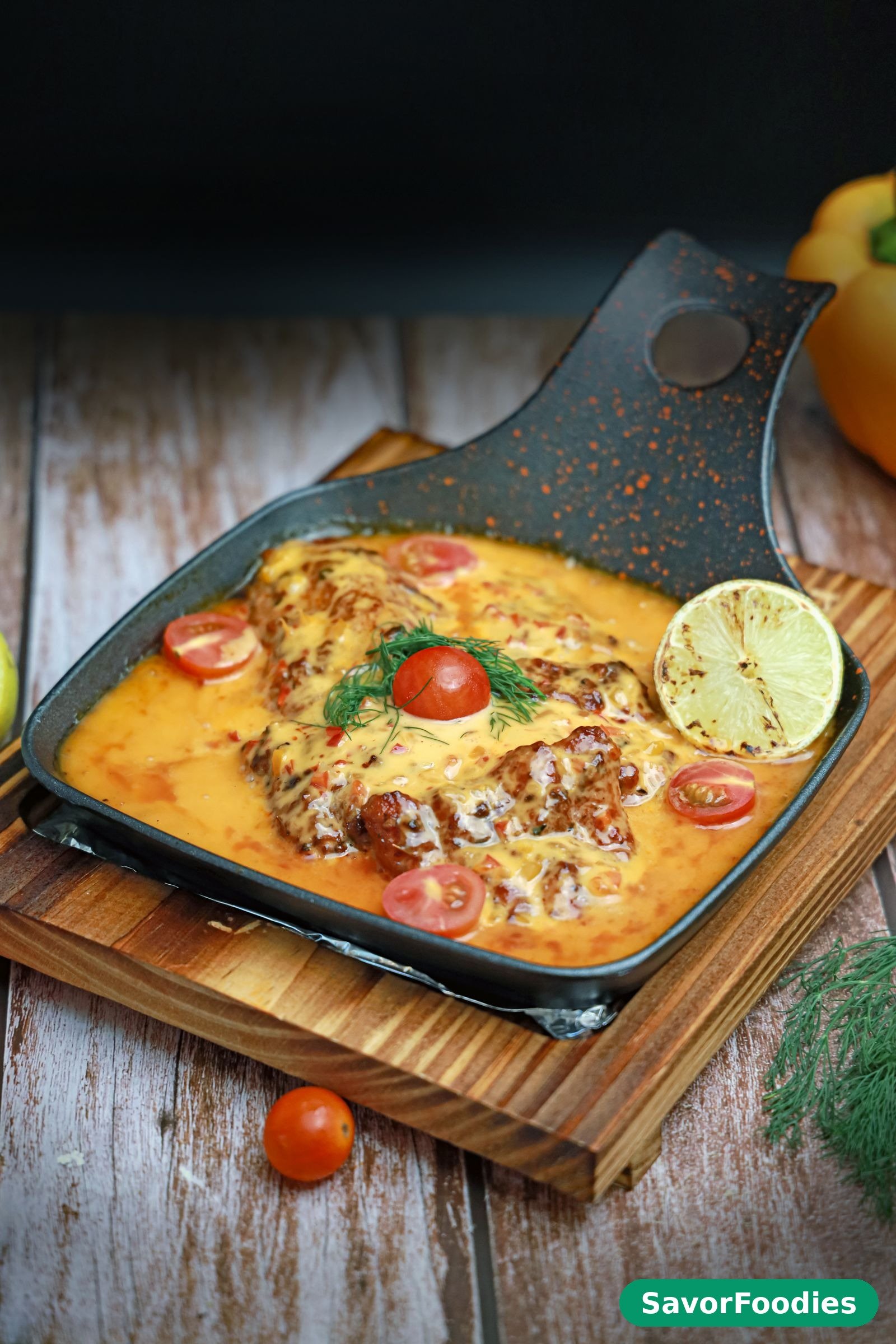
Take the chicken out of the fridge about twenty minutes before you start, and pat the skin very dry with paper towels. This is the single most important small job in the whole recipe. Wet skin steams instead of browning, and you will end up with pale, rubbery skin instead of the golden crisp kind. Season both sides generously with salt and pepper, and do not be shy. Chicken thighs can take it, and the seasoning on the skin is what you taste first.
Heat the olive oil in a large, deep skillet over medium-high heat until it shimmers. A wide pan matters here, because the chicken needs space. If the thighs are crowded, they will steam instead of sear, and you will lose the browning that makes the dish. If your pan is small, brown them in two batches. Place the thighs skin side down and leave them completely alone for seven to eight minutes. You will hear them sizzle hard at first, then settle into a steady crackle. When you lift one with tongs, the skin should be a deep golden brown and release easily from the pan. If it sticks, it is not ready yet. Give it another minute.
Flip the thighs and cook for three or four minutes on the second side, just to get a little colour, then lift them out onto a plate. They are not cooked through yet, and that is fine. They will finish in the sauce. Turn the heat down to medium and look at what is left in the pan: a layer of golden chicken fat, browned bits stuck to the bottom, and the smell of a proper roast. That is your sauce. Do not clean it out, and do not pour it away.
Add the onion to the pan and cook it in the chicken fat for about four minutes, scraping the bottom with a wooden spoon as you go. The browned bits will loosen and dissolve into the onion, which is exactly what you want. When the onion is soft and starting to turn golden at the edges, add the garlic, tomato paste, oregano and chilli flakes. Cook for one minute more, stirring constantly, until the tomato paste darkens a shade and smells sweet instead of raw. This short step, cooking the tomato paste until it darkens, is one of those things that takes sixty seconds and makes a real difference. Raw tomato paste tastes tinny; cooked tomato paste tastes like the base of a good sauce.
Pour in the chicken stock and scrape the bottom of the pan again to lift up anything still stuck there. Add the rosemary and thyme, then tip in the drained beans and stir them through. Nestle the chicken thighs back into the pan, skin side up, pushing them down so the beans and sauce come halfway up their sides but the skin stays above the liquid. That last detail matters. If the skin goes under, it will go soft. Bring everything to a gentle simmer, then turn the heat down low, put the lid on slightly ajar, and leave it for twenty to twenty-five minutes. The chicken should be completely cooked through, the beans creamy, and the sauce thickened enough to coat a spoon.
Take the pan off the heat and squeeze over the lemon juice. Stir the beans gently, taste the sauce, and adjust the salt. It will probably need a little more, because beans are thirsty for salt and the stock varies. Scatter the parsley and basil over the top, and let the pan sit for two or three minutes before serving. The herbs will wilt just slightly into the heat, the sauce will settle, and the whole thing will look like something from a restaurant, even though you made it on a Tuesday in your own kitchen.
The Herbs: What to Use and When
The garden part of this recipe is not just decoration, and it is worth spending a minute on, because herbs are the thing that makes this skillet taste like itself rather than like any other chicken and bean dinner. Rosemary and thyme are woody herbs, which means their flavour is locked up in tough little leaves that need heat and time. They go in with the stock, early, and they spend the whole simmer releasing their oils into the sauce. Rosemary is piney and almost resinous, and a little goes a long way. Two sprigs is plenty. Thyme is softer, a bit lemony, a bit earthy, and it ties the rosemary and garlic together.
Parsley is the opposite. It is a soft herb, and heat is its enemy. Added at the end, off the heat, it stays bright green and tastes fresh and clean, almost like a squeeze of lemon. Added early, it turns dark and dull and gives up nothing. If you only remember one thing from this section, remember that: woody herbs early, soft herbs late. Basil is in the same soft-herb family, so if you have it, tear it over the top at the same moment as the parsley. A little torn basil on top of a hot skillet smells extraordinary.
If your garden is not producing right now, dried rosemary and thyme will work in the simmer, about a teaspoon of each, crushed between your fingers as you add them. Fresh parsley is the one I would still try to buy, because dried parsley adds almost nothing. In a pinch, a handful of chopped spring onion greens scattered at the end will give you some of the same fresh lift. The dish is forgiving. The herb mix does not have to match mine exactly. It just has to be fresh at the end, and generous.
Tips for the Best Result
Do not rush the browning. I have said it already, but it is worth saying again, because it is the step most people hurry, and it is the step that decides whether the dish is good or great. Eight minutes of skin-down cooking feels long when you are standing there, but the pan is doing the work. Use that time to chop the onion and garlic, rinse the beans, and strip the herbs. By the time the chicken is ready to flip, everything else is ready too.
Watch the sauce thickness near the end. Tins of beans vary, and stock evaporates at different rates depending on your pan and your hob. If the sauce looks too thin after twenty minutes, take the lid off for the last five minutes and let it reduce. If it looks too thick, add a splash of stock or water and stir. You are aiming for a sauce that coats the beans and clings to the chicken, not a soup and not a dry pan. A good test is to drag a wooden spoon through the pan. The line it leaves should hold for a second before the sauce closes back over it.
Let it rest before serving. Two or three minutes off the heat, with the lid on, lets the chicken relax, the beans settle, and the sauce thicken slightly. It also means the dish is at a temperature you can actually eat without burning your mouth, which matters more than people admit. I have served this straight from a bubbling pan more than once, and everyone pretends it is fine while blowing on every mouthful. A short rest fixes that, and the dish tastes better for it.
What to Serve With It
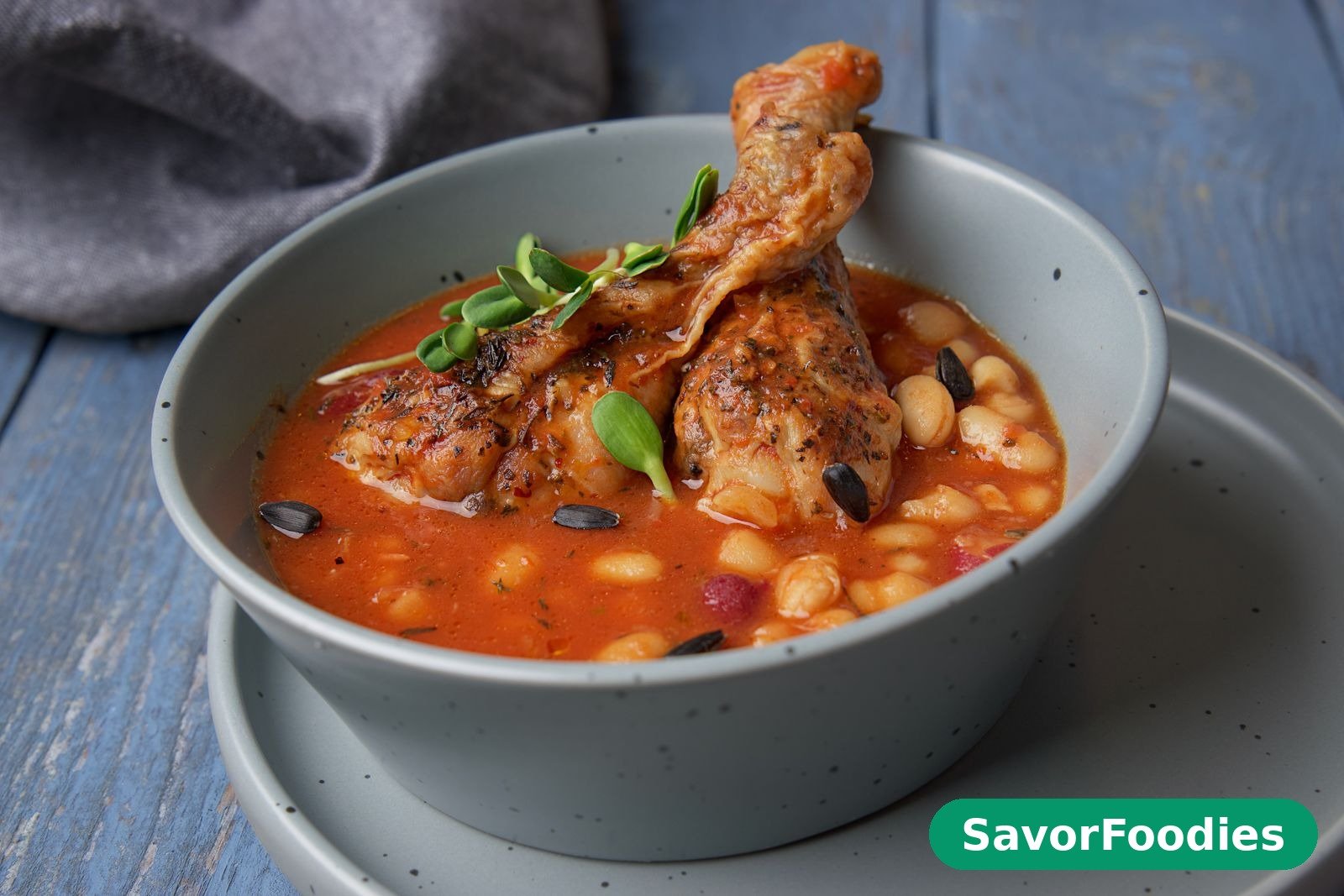
Honestly, this skillet does not need much. A piece of crusty bread to mop up the sauce is the first thing, and in my house it is not optional. The sauce is too good to leave in the pan, and bread is the right tool for it. A simple green salad with a sharp lemon dressing is the second thing, because the freshness and acidity cut through the richness of the chicken and beans. Nothing complicated: leaves, a squeeze of lemon, a drizzle of olive oil, a pinch of salt.
If you want something more substantial, this is lovely spooned over soft polenta or mashed potatoes, which catch the sauce beautifully. Rice works too, though I find the beans already give the dish plenty of starch, so I usually save the rice for another night. A glass of something light and dry on the side, white or red, is nice if that is your thing, but sparkling water with lemon is just as good. The dish is rich enough that you do not need a heavy drink with it.
For a weeknight, I serve it straight from the pan at the table, with the bread and salad alongside, and let everyone help themselves. There is something about a skillet in the middle of the table that makes dinner feel relaxed, and it saves on washing up too. If you are cooking for guests, the same thing works, because the pan looks generous and rustic, and nobody minds a one-pan dinner when it tastes like this.
Storage and Leftovers
This is one of those dishes that improves overnight, and I say that as someone who is usually suspicious of that claim. The beans absorb more flavour as they sit, the sauce thickens a little, and the herbs mellow into it. Leftovers will keep in the fridge for three days in a sealed container. Reheat gently in a covered pan over low heat, with a splash of stock or water to loosen the sauce, until the chicken is hot all the way through. The microwave works too, covered, in short bursts, but the pan is kinder to the skin.
You can also freeze it, though I would freeze the chicken and beans together in the sauce and skip the fresh herbs until you reheat it. It will keep for up to three months. Defrost overnight in the fridge, reheat gently, and scatter fresh parsley over the top before serving, and it will taste very close to the day you made it. The skin will not be as crisp after freezing, which is the one real loss, but the flavour is all still there, and on a busy night that is what counts.
If you have a little left over, a single thigh and a spoonful of beans, it makes a wonderful lunch the next day. Shred the chicken off the bone, pile it on toast with some of the beans and sauce, and you have a sandwich that is far better than it has any right to be. I have done this more times than I can count, and it is one of the quiet pleasures of cooking a dish that keeps well.
Frequently Asked Questions
Can I make this with boneless chicken thighs?
Yes, boneless thighs work well. They cook faster, so reduce the simmering time to about fifteen minutes and check that the chicken is cooked through before you take the pan off the heat. The sauce will be a little less rich without the bones and skin, so you may want to add an extra splash of stock and a knob of butter at the end to bring back some of the richness.
Can I use a different bean?
You can. Butter beans are the best substitute, because they are large, creamy and hold their shape well in a simmer. Chickpeas will work too, though they stay firmer and the sauce will be a little thinner, since they do not break down the way cannellini beans do. Avoid kidney beans here. Their flavour is stronger and their skin is tougher, and they will fight with the herbs instead of soaking them up.
Can I make this ahead of time?
Yes, and it is actually a good idea. Make the whole dish, let it cool, and keep it in the fridge for up to a day before serving. Reheat it gently in a covered pan over low heat, with a splash of stock to loosen the sauce. Add the fresh parsley and basil only when you reheat it, so they stay bright. If you are cooking for guests, this is the easiest way to have dinner ready without standing over the stove when they arrive.
What if I do not have fresh herbs?
Dried rosemary and thyme will work in the simmer, about a teaspoon of each, crushed as you add them. Fresh parsley is the one worth buying if you can, because dried parsley adds almost nothing to the finished dish. If you have no fresh herbs at all, a handful of chopped spring onion greens scattered over the top at the end will give you some of the fresh lift the dish needs, and a little extra lemon zest will help too.
How do I know the chicken is cooked through?
The safest way is a meat thermometer in the thickest part of the thigh, away from the bone. You are looking for 74°C (165°F). Without a thermometer, cut into the thickest thigh near the bone. The meat should be opaque all the way through, with no pink, and the juices should run clear. Bone-in thighs need the full twenty to twenty-five minutes in the simmer, so do not rush it. If in doubt, give it another five minutes. Thighs are forgiving, and a little extra time will not dry them out the way it would a breast.
This one-pan garden herb chicken and white bean skillet is the kind of recipe that earns its place slowly, by being made again and again, until one day you realise you have not looked at the recipe in months and your hands just know what to do. That is when a recipe becomes yours. If you liked this one, our one-pan chicken and mushroom pasta is built the same way, one pan, a handful of good ingredients, and dinner on the table before anyone has time to get impatient, and the one-pan chicken shawarma skillet is the bolder, spicier cousin that is worth trying on a night when you want something with a bit more swagger. Start here, with the herbs and the beans, and see where it takes you. You can find more recipes like this one on SavorFoodies, and I hope this skillet finds its way onto your table as often as it has onto mine.
[…] cooking is your thing, this recipe sits happily alongside other dinners built the same way. This one-pan garden herb chicken and white bean skillet uses the same idea — everything in one pan, herbs doing the heavy lifting — and this one-pan […]