

There is a smell that tells you dinner is going to be good, and it is not the salmon. It is the dill. The moment you chop a bunch of fresh dill and it hits warm butter, the whole kitchen smells like a garden after rain — clean, green, and a little bit lemony. That smell is the reason this recipe exists. I had a bunch of dill left over from another dinner, a bag of garden peas in the freezer, and four salmon fillets that needed cooking, and the idea of throwing them all into one pan with some potatoes felt less like a plan and more like a hope. It turned out to be one of the best weeknight dinners I make now, and it has stayed in the rotation ever since.
What I love about it is how little it asks of you. One pan, about thirty minutes, and a short list of ingredients you probably already have or can pick up without thinking too hard. The potatoes go in first and get golden at the edges. The salmon goes in skin-side down and does its own thing while you shake the pan now and then. The peas and the dill butter go in at the very end, and everything comes together in the last few minutes like it was planned all along. There is almost no washing up, which matters more than most recipes admit, and there is something deeply satisfying about carrying one pan to the table and letting everyone help themselves.
It is also the kind of meal that makes a normal Tuesday feel slightly special. Salmon has that effect — it looks and tastes like a treat, even when it took half an hour and one pan. The peas keep it fresh and green, the potatoes make it filling enough for hungry people, and the dill ties the whole thing together with that bright, herby flavour. If you like the idea of dinners that come out of a single pan, our one-pan skillet recipes collection is full of the same thinking: good food, less washing up, and no fuss.
Why This Recipe Works So Well
The whole trick of a one-pan salmon dinner is timing, and this recipe is built around getting that timing right. Potatoes need the longest, salmon needs the least, and peas need almost no time at all — so they go in in that order, and each one finishes at exactly the right moment. The potatoes start in a hot pan with oil and butter, where they get crisp and golden on the cut sides. While they cook, the salmon waits at room temperature for a few minutes, which helps it cook more evenly when it hits the pan. Then the salmon goes in skin-side down, the heat does its work, and the peas join at the end, just long enough to warm through and stay bright green instead of going dull and soft.
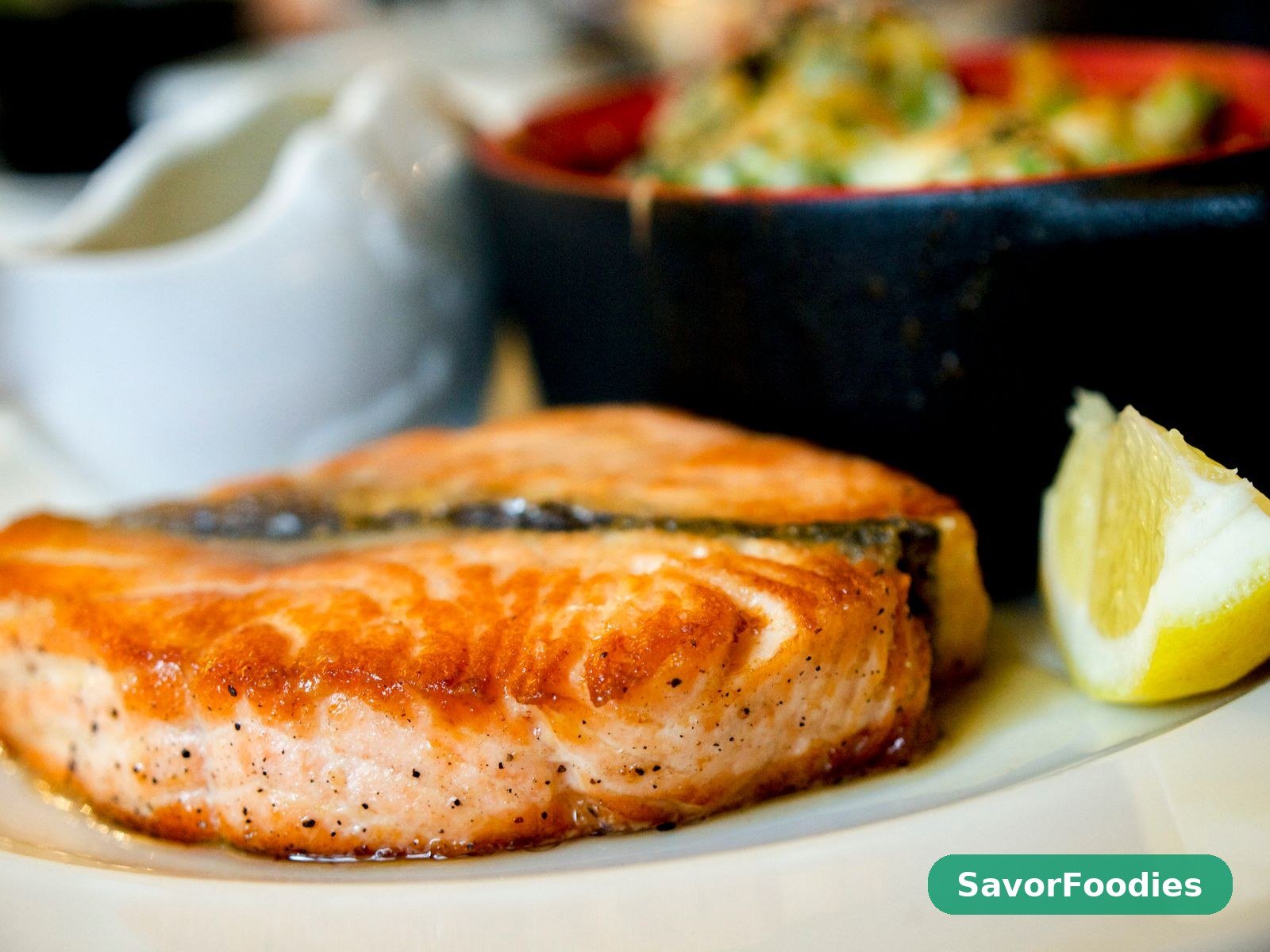
The skin is doing a lot of the work here, so it is worth treating it properly. Dry skin crisps; wet skin steams. That is the whole secret, really. Pat the fillets dry with paper towels, season them well, and put them skin-side down in a properly hot pan — and then leave them alone. Do not poke them, do not slide them around, do not lift the edge to check every thirty seconds. The skin needs steady contact with the pan to turn crisp and golden, and every time you move the fish you break that contact. After about four or five minutes, the skin releases on its own, and you can flip the fillet with confidence. Salmon is a forgiving fish in many ways, but it rewards patience more than fussing, and this recipe is designed to let you be patient.
Then there is the dill butter, which is the part that makes people ask for the recipe. Dill and salmon are one of those pairings that just works — the herb is fresh and slightly aniseedy, the fish is rich and oily, and the two balance each other in a way that feels almost inevitable. Dill has been paired with fish for centuries, and once you taste it in warm butter spooned over crisp-skinned salmon, you understand why nobody has bothered to change the combination. The butter melts into the pan juices, the lemon goes in at the end so it stays bright, and the peas soak up a little of that buttery, herby sauce as they warm through. It is a simple sauce, but it is the difference between a plate of salmon and potatoes and a dinner people remember.
Ingredients You Need
For four people, gather:
- 4 salmon fillets, skin on, about 150–180 g each
- 500 g baby potatoes, halved (or quartered if large)
- 150 g garden peas, fresh or frozen
- 1 large bunch fresh dill, roughly chopped (about 30 g)
- 3 tablespoons butter
- 2 tablespoons olive oil
- 4 cloves garlic, thinly sliced
- 1 lemon, half juiced and half cut into wedges
- 1 teaspoon sea salt, plus extra to taste
- 1/2 teaspoon black pepper
- 1/2 teaspoon smoked paprika (optional, but lovely with the potatoes)
- A small handful of extra dill fronds, to serve
The potatoes are worth a word, because they decide how the whole dish feels. Baby potatoes are my first choice here — their skins are thin, they cook quickly, and they crisp up beautifully on the cut side. Halve them so you get a flat side to crisp against the pan, and try to keep the pieces roughly the same size so they cook evenly. If your baby potatoes are a mix of big and small, quarter the big ones and leave the small ones whole. Waxy potatoes hold their shape better than floury ones in a pan like this, so if you are choosing at the shop, go for a waxy variety and avoid the ones that fall apart when boiled.
On the salmon, skin-on fillets are really what you want. The skin protects the flesh from the direct heat, which means the fish stays moist, and it turns into the crispiest, most delicious part of the plate. If your fishmonger sells fillets with the skin already removed, you can still make this recipe — just shorten the cooking time slightly and be gentler when you flip. Ask for fillets of a similar thickness if you can, because a thin tail piece and a thick centre cut will cook at different speeds, and even cooking is what keeps everyone at the table happy. Fresh peas are wonderful when they are in season, but frozen peas are honestly just as good here, and they are what I use most of the year. There is no shame in frozen peas — they are picked and frozen at their best, and they go from freezer to pan in seconds.
Fresh dill is the one ingredient I would not swap. Dried dill loses the bright, grassy flavour that makes this dish what it is, and it turns a little dusty in the butter. A big bunch of fresh dill costs very little, and any leftover is wonderful chopped into salads, stirred through yogurt, or scattered over roast potatoes the next day. If you grow herbs, dill is one of the easiest to keep going in a pot on a windowsill, and it is the herb I reach for most in spring and summer cooking.
How to Make It
Start with the potatoes. Heat the olive oil and half the butter in a large, wide frying pan or skillet over a medium-high heat. When the butter is foaming, add the potatoes cut-side down in a single layer. Season with salt, pepper, and the smoked paprika if you are using it. Let them cook, undisturbed, for about eight to ten minutes, until the cut sides are deep golden and crisp. Give the pan a shake now and then, but do not stir constantly — the potatoes need steady contact with the pan to crisp properly, just like the salmon will. If they are colouring too fast, turn the heat down a little. You want golden, not burnt.
While the potatoes cook, prepare the salmon. Pat each fillet very dry with paper towels — this is the step that makes the difference between crisp skin and soft skin, so do it properly, front and back. Season the flesh side generously with salt and pepper. Let the fillets sit at room temperature while the potatoes finish their first round of cooking. Cold fish straight from the fridge hits a hot pan and seizes up, while fish that has had ten minutes on the counter cooks much more evenly.
Push the potatoes to the edges of the pan to make space in the middle. Add the remaining butter to the pan and let it melt. Place the salmon fillets skin-side down in the centre of the pan, leaving a little space between them. Press each one down gently with a spatula for the first ten seconds so the skin makes full contact with the pan. Then leave them alone for four to five minutes. You will see the flesh slowly turning opaque from the bottom up — that is exactly what you want. Do not flip early. When the skin has released and the fillet lifts easily, it is ready.
Flip the salmon carefully and cook for another two to three minutes on the flesh side, just until the fish is cooked through but still slightly translucent in the very centre. Salmon is at its best when it is not cooked to death, and a little blush in the middle is a good thing, not a mistake. If you are unsure, press the thickest part gently with a fork — it should flake into clean layers but still look moist. Take the pan off the heat for a moment while you add the last ingredients.
Scatter the peas around the salmon and potatoes, add the sliced garlic, and squeeze over the lemon juice. Return the pan to a medium heat for two minutes, shaking gently, until the peas are bright green and warmed through and the garlic smells fragrant. The garlic goes in late on purpose — it burns quickly in a hot pan, and two minutes is all it needs. Finally, scatter over the chopped dill, spoon the buttery pan juices over the salmon, and let everything sit for one minute off the heat. The residual heat wilts the dill just slightly and lets the flavours settle together.
Serve straight from the pan, with lemon wedges and extra dill fronds on top. Bring the pan to the table if you like — it looks generous and a little bit rustic, and it saves on washing up, which is half the point of a one-pan dinner.
Tips for the Best Result
The most common mistake with this recipe is crowding the pan, and it is worth saying plainly because it ruins more one-pan dinners than anything else. If the potatoes are piled on top of each other, they steam instead of crisping. If the salmon fillets are touching, the skin cannot crisp properly. Use the biggest pan you have — a wide skillet or a large sauté pan — and if your pan is small, cook the potatoes in two batches. It takes a few extra minutes, but the difference between golden, crisp potatoes and pale, steamed ones is worth it.
The second tip is about the salmon skin, and it is really just one rule: dry it, then leave it alone. Pat the fillets dry, put them skin-side down in a hot pan, press them down for ten seconds, and then do not touch them for four or five minutes. The skin will tell you when it is ready — it releases from the pan on its own when it is crisp. If you try to lift it and it sticks, it is not ready yet. Give it another minute. This patience is the difference between skin you eat with delight and skin you peel off and leave on the plate.
One more thing: do not overcook the peas. They need about two minutes in the pan, no more. Longer than that and they lose their bright colour and their sweet pop, and they start to taste tired. Frozen peas can go in straight from the freezer — they thaw in seconds in a hot pan — and fresh peas need even less time. If you are the kind of cook who likes everything ready at once, have the peas measured out and the dill chopped before the salmon goes in, so the last two minutes of cooking are calm instead of a scramble.
What to Serve With It
Honestly, this is a complete meal as it stands — fish, potatoes, and peas in one pan is dinner, and it needs very little alongside it. But if you are feeding hungry people or want to stretch it a little further, a few simple things work beautifully. A green salad with a sharp lemon dressing is the obvious partner, and it takes two minutes to throw together while the salmon cooks. Crusty bread is wonderful for mopping up the dill butter left in the pan, and I would argue it is almost essential. A simple cucumber salad with a little vinegar and dill is another good match, and it uses up the rest of the dill bunch nicely.
If you want a drink to go with it, keep it light and cold. A dry white wine, a cold lager, or sparkling water with lemon all work well with salmon, and none of them fight the dill. For a non-alcoholic option, iced green tea with lemon is surprisingly good with this dish — the slight bitterness of the tea plays nicely against the rich fish and the butter.
If one-pan cooking is your thing, this recipe sits happily alongside other dinners built the same way. This one-pan garden herb chicken and white bean skillet uses the same idea — everything in one pan, herbs doing the heavy lifting — and this one-pan honey garlic chicken and broccoli is another weeknight favourite that leans on a sticky, savoury sauce instead of a fresh herb butter. Both are worth adding to your rotation if you like the sound of dinner with one pan to wash.
Storage and Reheating
Leftover salmon keeps in the fridge for up to two days in an airtight container, and the potatoes and peas will keep just as long. The skin will soften as it sits, which is normal, but you can bring some of the crispness back. Reheat everything gently in a frying pan over a medium heat with a tiny knob of butter, skin-side down first, for three to four minutes. The microwave will heat it, but it will also make the salmon dry and the skin rubbery, so I would avoid it unless there is no other option.
For the freezer, this recipe is best eaten fresh, and I would not freeze the cooked salmon — it loses too much texture. The potatoes and peas freeze fine on their own if you have leftovers, but the salmon is really a cook-it-and-eat-it kind of fish. If you have leftover raw fillets, freeze those instead, wrapped tightly, and they will keep for up to two months. Thaw them overnight in the fridge, pat them very dry, and cook as written. And if you find yourself with leftover dill, chop it and freeze it in ice cube trays with a little olive oil — it keeps for months and is ready to drop straight into a pan whenever you need it.
Frequently Asked Questions
Can I use frozen peas instead of fresh?
Yes, and honestly, frozen peas are what I use most of the time. They are picked and frozen at their best, they go straight from the freezer into the pan, and they only need about two minutes to warm through. There is no need to thaw them first. Fresh peas are lovely in spring when they are in season, but frozen peas are just as sweet and much more convenient, so use whichever you have.
Can I make this with skinless salmon fillets?
You can, but you will lose the crispy skin, which is one of the best parts of this dish. If your fillets are skinless, shorten the cooking time slightly — about three minutes on the first side and two on the second — and be extra gentle when you flip, because there is no skin holding the fillet together. The rest of the recipe stays exactly the same, and the dill butter and peas still make it delicious.
What if my potatoes are large?
Just cut them smaller. Quarter large baby potatoes, or cut bigger potatoes into chunks about the size of a walnut, and try to keep all the pieces roughly the same size so they cook evenly. If the pieces are too big, they will still be hard in the middle when the outside is golden, so smaller is safer. You can also parboil larger chunks for five minutes before they go in the pan, which guarantees they cook through.
Can I use dried dill instead of fresh?
You can, but it will not taste the same. Fresh dill has a bright, grassy flavour that dried dill loses, and this recipe leans on that freshness quite heavily. If fresh dill is genuinely unavailable, use about two teaspoons of dried dill, added with the garlic at the end so it has a chance to soften in the butter. It will still be a good dinner, but if you can get fresh dill, it is worth the trip.
How do I know when the salmon is done?
The best test is the fork test. Press the thickest part of the fillet gently with a fork and twist slightly — the flesh should flake into clean layers but still look moist and slightly translucent in the very centre. If it flakes apart dryly and looks opaque all the way through, it is overcooked. If you use a thermometer, look for about 50–52°C in the centre for medium, or 55°C if you prefer it fully cooked. Remember the fish keeps cooking for a minute or two off the heat, so take it out just before you think it is ready.
Can I make this ahead of time?
This is really a cook-and-serve recipe, and it is at its best straight from the pan, when the skin is crisp and the peas are bright. That said, you can do all the preparation ahead — halve the potatoes, chop the dill, slice the garlic, and season the salmon — so that when it is time to cook, everything takes about thirty minutes from pan to table. The potatoes can also be cooked ahead and reheated in the pan while the salmon cooks, which saves a few minutes on a busy evening.
That is the whole recipe, and it is one of those dinners that quietly becomes a habit. The first time you make it, you follow the steps carefully. The second time, you already know the rhythm — potatoes in, salmon down, peas and dill at the end — and by the third time, you are making it without looking at the recipe at all. That is the mark of a good weeknight dinner: simple enough to remember, good enough to want again, and kind enough to your evening that you still have time to sit down and enjoy it. You can find more dinners in the same spirit on the SavorFoodies homepage, where the whole idea is easy food that tastes like you tried much harder than you did.