

There is a particular kind of silence that falls over a table when chicken tikka masala arrives, and it has nothing to do with politeness. It is the silence of people who have just tasted something far better than they expected from a home kitchen, and who are now quietly recalculating how many takeaways they could have skipped. The sauce is rich and brick-red, the chicken is smoky at the edges, and there is a warmth that builds slowly instead of hitting you all at once. It tastes like a restaurant dish because, for once, it actually follows the restaurant logic: marinate properly, cook the chicken hard and fast, and build the sauce separately so neither part has to compromise for the other.
I avoided making this for years because I assumed it belonged to a different league of cooking — the kind with a tandoor oven and a spice cupboard the size of a wardrobe. The truth turned out to be much kinder. A hot oven or a screaming-hot pan does a decent impression of a tandoor, a handful of spices you probably already own does the rest, and the whole thing comes together in about an hour, most of which is the chicken sitting happily in its marinade while you do something else. The first time I made it, my family asked which restaurant it was from, and I have never enjoyed a question more.
If you have never cooked Indian food at home, this is a generous place to start. Nothing in it is fussy or fragile, the sauce forgives a heavy hand with the cream, and even a slightly overcooked batch of chicken disappears into that sauce and comes out tasting deliberate. By the second time you make it, you will have your own version — maybe a little more chilli, maybe a squeeze of lemon at the end — and that is exactly how a recipe earns its place in a home kitchen.
Why This Recipe Works
The secret of good tikka masala is that it is really two recipes cooked separately and introduced at the end. The chicken is marinated in yogurt and spices, then cooked at high heat until it chars at the edges, which is where the smoky flavour lives. The sauce is built slowly from onion, tomato, and spices, then enriched with cream. If you cook the chicken in the sauce from the start, you get neither the char nor the depth — you get boiled chicken in tomato soup, and nobody wants that. Keeping the two parts apart until the last ten minutes is the whole trick, and it is the difference between a dish that tastes homemade in the best way and one that tastes like a shortcut.
The marinade does more work than people give it credit for. Yogurt tenderises the chicken gently, without turning it mushy the way citrus or vinegar can if left too long, and it carries the spices right against the meat. Ginger and garlic in the marinade are not decoration; they are the backbone of the flavour, and they need time to get into the chicken rather than sitting on top of it. Even thirty minutes makes a real difference, though overnight is better if you can plan ahead. The background on chicken tikka masala is worth a read if you are curious about where the dish comes from, though you do not need the history to cook it well.
Then there is the sauce, and the sauce is where patience pays. Cooking the onion down until it is genuinely soft and sweet, letting the tomato paste darken a shade before the tomatoes go in, blooming the spices in fat so they taste toasted rather than raw — each of these small steps adds a layer, and layers are what make a sauce taste like it simmered for hours when it actually simmered for twenty minutes. The cream at the end is not there to make the dish mild; it is there to round the sharp edges of the tomato and carry the spice. You will find the same build-flavour-in-layers thinking across the SavorFoodies chicken recipes, and on the SavorFoodies homepage you will see the same approach — food meant for real weeknights, not just special occasions.
Ingredients You Need
For the chicken and marinade, boneless thighs are my strong recommendation. Breast works, but it dries out fast under high heat, while thighs stay juicy even if you get distracted for a minute too long. Cut them into generous chunks, about the size of a walnut, so they cook quickly without drying out.
For the marinade, gather:
- 700 g boneless, skinless chicken thighs, cut into chunks
- 150 g plain full-fat yogurt (not low-fat, which splits)
- 2 tablespoons lemon juice
- 4 cloves garlic, grated
- 1 tablespoon fresh ginger, grated
- 2 teaspoons garam masala
- 1 teaspoon ground cumin
- 1 teaspoon smoked paprika
- 1/2 teaspoon turmeric
- 1/2 teaspoon chilli powder, or more to taste
- 1 teaspoon salt
- 1 tablespoon neutral oil
For the sauce, gather:
- 2 tablespoons butter or ghee
- 1 large onion, finely diced
- 4 cloves garlic, minced
- 1 tablespoon fresh ginger, grated
- 2 tablespoons tomato paste
- 400 g tin chopped tomatoes
- 1 teaspoon garam masala
- 1 teaspoon ground cumin
- 1 teaspoon smoked paprika
- 1/2 teaspoon sugar
- 150 ml double cream
- Salt, to taste
- Fresh coriander and a squeeze of lemon, to finish
A note on the garam masala, because it is the spice that most defines the dish. Every blend is different — some are heavy on cardamom, some on cinnamon, some on black pepper — and that is fine, because the dish is built to absorb the variation. If you are buying one, a small fresh jar beats a large stale one every time, since ground spices lose their punch after a few months. The background on garam masala explains why the blend varies so much from cook to cook, and why there is no single correct version. And on the yogurt: full-fat is non-negotiable here. Low-fat yogurt is mostly water, and watery marinade slides off the chicken and splits in the pan, while thick yogurt clings and chars beautifully.
How to Make It
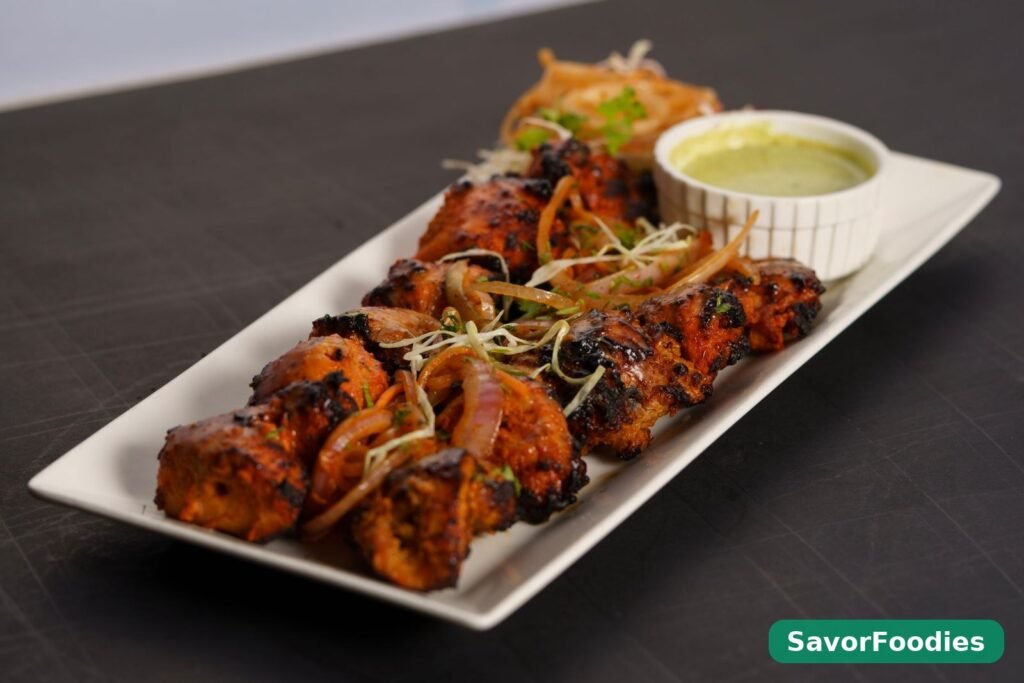
- Marinate the chicken. In a large bowl, mix the yogurt, lemon juice, garlic, ginger, garam masala, cumin, paprika, turmeric, chilli powder, salt, and oil until smooth. Add the chicken chunks and turn them until every piece is coated. Cover and refrigerate for at least 30 minutes, or overnight if you can. If you are short on time, even 20 minutes at room temperature makes a difference, though the fridge and a longer rest are better. Do not marinate for more than 24 hours — the yogurt will eventually start to break down the surface of the chicken too much.
- Cook the chicken hard and fast. Heat the oven to 240°C (475°F), or as hot as it will go, and line a sheet pan with foil. Spread the chicken in a single layer, shaking off most of the excess marinade — you want coating, not puddles. Roast for 12 to 15 minutes, until the edges are charred in spots and the chicken is cooked through. If your oven has a grill setting, a couple of minutes under it at the end gets you even closer to tandoor char. Set the chicken aside with all its juices; those juices go into the sauce later and they are full of flavour.
- Build the sauce base. While the chicken rests, melt the butter in a large, deep pan over medium heat. Add the onion with a pinch of salt and cook for 8 to 10 minutes, stirring now and then, until it is soft, sweet, and just starting to colour. Add the garlic and ginger and cook for one minute more, until fragrant. Stir in the tomato paste and cook it for two minutes, until it darkens a shade — this step matters, because raw tomato paste tastes tinny and cooked tomato paste tastes deep.
- Simmer the sauce. Add the chopped tomatoes, garam masala, cumin, paprika, and sugar. Stir well, scraping up anything stuck to the pan, and simmer gently for 15 to 20 minutes, until the sauce has thickened and the oil starts to separate slightly at the edges. If you like a silky sauce, blitz it with a stick blender at this point — I usually do, because it makes the finished dish look and feel restaurant-smooth. If you prefer texture, leave it chunky; both are correct.
- Bring it together. Stir in the cream and let the sauce warm through for two minutes, then add the chicken and all its resting juices. Simmer gently for 5 minutes so the flavours marry, but do not boil hard, or the cream can split. Taste and adjust: salt first, then a pinch more sugar if the tomato is sharp, then a squeeze of lemon if it feels heavy. Scatter with coriander and serve hot. The sauce should coat the chicken thickly, not drown it — if it looks thin, simmer a few minutes longer before adding the cream.
Tips for the Best Result
The single biggest improvement you can make is heat — real, serious heat for the chicken. A lukewarm oven gives you pale, steamed chicken with no char, and no amount of sauce fixes that. If your oven runs cool, use the grill, or cook the chicken in a smoking-hot cast iron pan in batches, giving each piece space. Crowding the pan is the other classic mistake: pieces that touch each other steam instead of sear, and you lose the charred edges that make tikka taste like tikka. Two batches in a hot pan beat one crowded batch every time.
Another tip: do not skip blooming the spices. Spices added to cold liquid taste dusty and raw; spices fried briefly in fat taste warm and rounded. It only takes a minute, and it is the difference between a sauce that tastes like a jar and one that tastes like a kitchen. The same goes for the tomato paste — two minutes of frying transforms it. These are tiny steps, but they are the ones that separate a good tikka masala from a forgettable one, and they cost nothing but attention.
A few more things I have learned the hard way. If your sauce splits after adding cream, it is almost always because the heat was too high — take it off the heat, whisk in a splash of cold cream, and it usually comes back together. If the sauce tastes flat, it almost always needs salt before it needs more spice. And if you want more heat, add fresh green chilli at the end rather than more chilli powder at the start — the fresh heat is brighter and sits on top of the dish instead of muddying the sauce. The same patience with layering pays off elsewhere too, like in this one pot chicken and rice without soup, where letting each ingredient do its job in turn produces a far better result than throwing everything in at once.
What to Serve With It
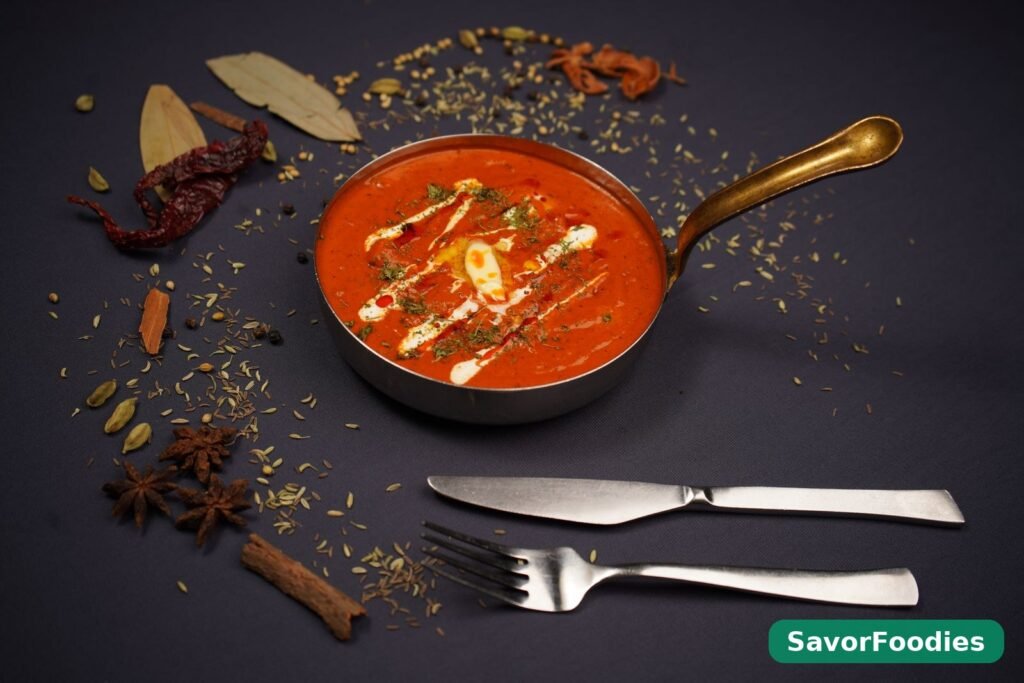
Basmati rice is the classic partner, and it is worth cooking properly: rinse it until the water runs clear, soak it for 20 minutes, then cook it with a tight lid and leave it alone for ten minutes after the heat goes off. The grains stay separate and fluffy, and they catch the sauce beautifully. Naan is the other essential — shop-bought naan brushed with butter and warmed in a hot pan is completely respectable, and tearing off pieces to scoop up sauce is half the pleasure of the dish. If you want to go further, a simple cucumber raita on the side cools everything down and adds a fresh crunch.
For a fuller table, a simple salad of sliced red onion, tomato, and coriander with lemon and salt cuts through the richness, and a pile of roasted vegetables alongside makes it feel generous without much extra work. On a weeknight, though, I keep it simple: rice, naan, and the masala, eaten straight from the pan if nobody is watching. The dish is rich enough to carry a modest spread, so do not feel you need to cook something elaborate to justify it. The same weeknight logic works in this easy chicken dinner for two with simple ingredients, where a little planning turns ordinary ingredients into something people actually look forward to.
Storage and Reheating
Leftovers keep beautifully in the fridge for up to four days, stored in an airtight container, and many people — myself included — think the sauce tastes even better the next day, once the spices have had a night to settle. For the freezer, this dish freezes very well for up to three months; freeze the sauce and chicken together in portions, and thaw overnight in the fridge before reheating. Rice freezes separately, if you want to stash a whole meal.
Reheating is best done gently on the stove. Warm the masala over low to medium heat, stirring now and then, until it is hot through, and add a splash of cream or water if the sauce has thickened too much in the fridge. The microwave works too, but use short bursts and stir between them, or the cream can split and the chicken can go rubbery at the edges. If the reheated sauce looks dull, a fresh scattering of coriander and a squeeze of lemon wakes it right back up, and nobody will know it was not freshly made.
Frequently Asked Questions
Can I use chicken breast instead of thighs?
You can, but you need to be more careful. Breast dries out fast under high heat, so cut the pieces a little larger, marinate for the full time, and pull them from the oven the moment they are cooked through — check at 10 minutes rather than 15. Thighs forgive a minute too long; breast does not. If you are cooking for people who prefer breast, it still works, just watch the clock and do not let the pieces sit in the hot oven while you finish the sauce.
Do I need a tandoor or a grill?
No. A very hot oven does a good job, and a grill setting at the end gets you even closer to the charred edges that define tikka. A cast iron pan on the stove works too, as long as it is genuinely hot and you cook in batches. What you are chasing is high, dry heat and a little char — not a specific piece of equipment. The marinade and the sauce do most of the flavour work, and the char is the finishing touch, not the whole dish.
Can I make it dairy-free?
Mostly, yes. Use coconut yogurt for the marinade and coconut cream for the sauce, and cook in oil instead of butter or ghee. The flavour shifts — coconut brings its own sweetness, which suits the dish — but it is genuinely good in its own right rather than a sad substitute. Skip the raita or make it with coconut yogurt too. The one thing to watch is that coconut cream splits more easily than dairy cream, so keep the heat low when you add it.
How spicy is this?
As written, it is a gentle warmth rather than a burn — the kind of heat that builds slowly and fades, not the kind that makes you reach for water. If you like it hotter, add fresh green chilli at the end, or increase the chilli powder in the marinade. If you are cooking for children, leave the chilli powder out of the marinade entirely and let adults add chilli at the table; the dish loses nothing important without it, because the warmth is only one note among many.
Can I make the sauce ahead of time?
Absolutely, and it is a smart move. The sauce keeps for four days in the fridge and freezes for three months, so you can make a double batch on a quiet evening and have the hard part done. When you want the dish, cook the chicken fresh, warm the sauce, and combine them — dinner in twenty minutes, with all the depth of a sauce that simmered properly. This is how I cook it most often now, because the chicken is best fresh and the sauce is best rested.
What if my sauce is too thin or too thick?
Too thin is easy: simmer it longer before adding the cream, or blitz in a spoonful of ground almonds, which thickens and enriches at the same time. Too thick is easier still: a splash of water or cream, stirred in off the heat, brings it right back. The sauce should coat a spoon and cling to the chicken, not run off like soup and not sit like paste. You will know it when you see it, and after one batch you will adjust it without thinking.
This is the dish that taught me home cooking could beat takeaway, not by copying a restaurant, but by understanding what makes the restaurant version work and then doing those things properly at home. Marinate with care, cook the chicken hot, build the sauce in layers, and bring them together at the end. Make it once exactly as written, then make it yours — a little more chilli, a little less cream, naan or rice or both, depending on the night. That is how a recipe earns a permanent place in a home kitchen: not by being perfect the first time, but by being good enough that you want to cook it again next week, and the week after that.