

There are some dinners that feel like they took all afternoon, and then there is this one. Tarragon chicken with garden peas and leeks tastes like something a French bistro would serve on a white tablecloth, but it comes together in one pan, on a regular weeknight, with ingredients you can actually find at a normal grocery store. The chicken stays juicy, the leeks turn soft and sweet, the peas pop bright green against the creamy sauce, and the tarragon ties the whole thing together with that gentle anise warmth that makes people ask what the secret ingredient is.
I first made this dish on a spring evening when the garden was giving me more leeks than I knew what to do with and a pot of tarragon on the windowsill had gone a little wild. I had chicken thighs in the fridge, a bag of frozen peas, and about forty minutes before everyone got hungry. It was supposed to be a quick fix. Instead, it became one of those recipes I keep coming back to, the kind where someone at the table goes quiet for a minute and then says, “You should make this again.” So I have, many times, and each time I have learned something small that makes it a little better. This version is the result of all those little lessons.
If you enjoy this kind of cooking, you will find plenty more ideas in our chicken recipes collection, where weeknight-friendly dishes like this one live side by side with slower weekend roasts.
Why This Recipe Works So Well
The magic here is not complicated. It is the combination of three things that happen to love each other: chicken, leeks, and tarragon. Chicken thighs bring richness and stay forgiving if you leave them on the heat a minute too long. Leeks, when you cook them slowly in butter, turn sweet and silky in a way onions never quite manage. And tarragon has this soft, slightly sweet, faintly liquorice-like flavour that lifts cream sauces out of the ordinary. It is the herb that makes a simple pan sauce taste like you knew what you were doing all along.
The peas matter more than they look like they should. They add colour, obviously — that bright green against the pale sauce is half the reason the dish looks so good on the plate — but they also add sweetness and a little pop of texture. Frozen peas are perfect here. They go in at the very end, they cook in about two minutes, and they never turn grey and sad the way overcooked fresh peas can.
Then there is the sauce itself. It is not a heavy, gluggy cream sauce. A splash of white wine and a little chicken stock loosen it, the cream gives it body, and a spoonful of Dijon mustard adds a quiet tang that keeps the richness in check. A squeeze of lemon at the end wakes everything up. It is the kind of sauce you will find yourself spooning over the chicken and then over the potatoes, and then, if no one is watching, mopping up with bread.
One more thing worth saying: this is a one-pan dinner. The chicken browns in the pan, the leeks cook in the same pan, the sauce builds in the same pan. That means less washing up, but it also means flavour. Every browned bit left behind by the chicken dissolves into the sauce, and that is where the depth comes from. No stock cube or shortcut can fake that.
Ingredients You Need
This serves four people generously. If you are cooking for two, halve everything except the leeks — you will want the full amount of leeks even then, because they cook down so much.
- 8 bone-in, skin-on chicken thighs (about 1 kg), or 4 large boneless thighs if you prefer
- 1 teaspoon fine sea salt, plus more to taste
- ½ teaspoon black pepper, freshly ground
- 1 tablespoon olive oil
- 2 tablespoons unsalted butter
- 3 large leeks, white and light green parts only, halved lengthways and sliced
- 3 garlic cloves, finely chopped
- 120 ml dry white wine, such as a sauvignon blanc or pinot grigio
- 240 ml chicken stock, low sodium if you have it
- 180 ml double cream (heavy cream)
- 1 tablespoon Dijon mustard
- 1 tablespoon fresh tarragon leaves, chopped, plus a few sprigs to finish
- 200 g garden peas, fresh or frozen
- 1 teaspoon lemon zest and 1 tablespoon lemon juice
- Crusty bread or mashed potatoes, to serve
A word on the leek: it is doing real work in this dish, not just sitting in the background. Choose leeks that feel firm and heavy for their size, with bright white bases and fresh-looking green tops. Leeks hide grit between their layers, so slice them first, then rinse the slices in a big bowl of cold water and lift them out with your hands, leaving the grit behind in the bowl. Do this properly. There is nothing that ruins a creamy sauce faster than a mouthful of sand.
On the tarragon: fresh is genuinely better here. Dried tarragon works in a pinch — use one teaspoon instead of a tablespoon — but fresh tarragon has a softness and a green, almost vanilla-like sweetness that the dried version loses. If your grocery store sells it in those little plastic boxes, one box is plenty, and you will have some left over for the eggs the next morning.
For the chicken, I prefer bone-in, skin-on thighs because the skin crisps beautifully and the bone keeps the meat juicy while the sauce simmers. If you only have boneless thighs, that is fine too; just shorten the simmering time by a few minutes and check that they are cooked through. Chicken breasts will work, but they dry out more easily in a simmering sauce, so if you use them, brown them gently and take them out a little earlier, returning them to the pan only for the last few minutes.
How to Make It
Start by patting the chicken thighs very dry with kitchen paper. This is the single most important step for good skin, and it takes ten seconds. Wet skin steams; dry skin browns. Season both sides generously with the salt and pepper, and let the chicken sit while you heat the pan.
Put a large, deep frying pan or a wide shallow casserole over medium-high heat and add the olive oil. When the oil shimmers, lay the thighs in skin-side down. Do not crowd the pan — if they are touching each other, they will steam instead of browning, so cook in two batches if your pan is small. Leave them alone for six to seven minutes. I know it is tempting to peek and wiggle them around. Resist. The skin needs uninterrupted contact with the pan to turn golden and crisp. When the skin is deep gold and releases easily from the pan, flip the thighs and cook for another four minutes on the other side. They do not need to be cooked through yet; they will finish in the sauce. Transfer them to a plate.
Turn the heat down to medium and add the butter to the same pan. Once it foams, tip in the sliced leeks with a pinch of salt. Stir them around, scraping up the browned bits from the bottom of the pan as you go — those bits are pure flavour. Cook the leeks slowly for about eight minutes, stirring now and then, until they are soft, sweet and just starting to turn golden at the edges. Do not rush this part. Leeks cooked too fast stay sharp and stringy; leeks cooked slowly become almost like a second sauce.
Add the garlic and cook for one more minute, just until you can smell it. Then pour in the white wine. It will hiss and steam, which is exactly what you want. Let it bubble for two minutes, scraping the bottom of the pan, until the sharp alcohol smell has cooked off and the wine has reduced by about half.
Pour in the chicken stock and bring it to a gentle simmer. Stir in the cream and the Dijon mustard, and watch the sauce turn pale and silky. Taste it now — it should be savoury and a little tangy, with room for the tarragon to come in later. Slide the chicken thighs back into the pan, skin-side up, along with any juices from the plate. Reduce the heat to low, put a lid on the pan, and let everything simmer gently for fifteen minutes. The sauce will thicken slightly and the chicken will finish cooking through. You are looking for an internal temperature of 74°C (165°F) at the thickest part of the thigh, and the meat should feel tender when you press it.
While the chicken simmers, you have time to set the table, warm the bread, or make the mashed potatoes. When the timer goes off, lift the lid and stir in the peas. They only need two minutes in the hot sauce — just long enough to turn bright green and tender. Then stir in the chopped tarragon, the lemon zest and the lemon juice. Taste the sauce one last time and adjust the salt and pepper. It should taste rich but bright, creamy but not heavy.
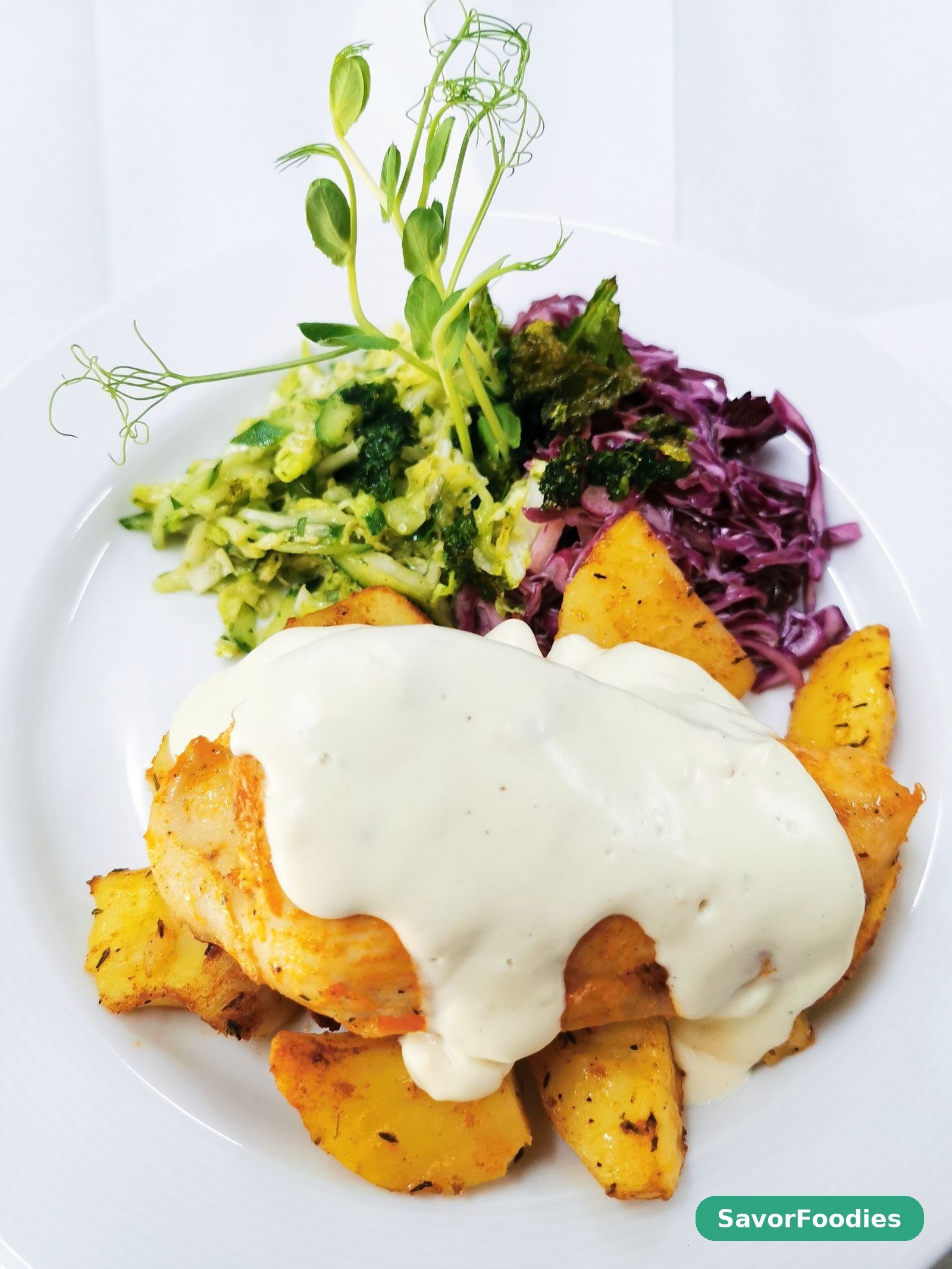
Serve the chicken straight from the pan, spooning plenty of sauce, leeks and peas over each piece, with the extra tarragon sprigs scattered on top. A piece of crusty bread on the side is not optional in my house. Someone always needs it for the sauce.
Tips That Make a Real Difference
The first time I made this, I threw the peas in with the leeks and wondered why they looked tired and grey by the time we sat down. Peas go in last. Two minutes is all they need. If you are using fresh peas, give them three minutes, but no more. Bright green peas are the difference between a dish that looks spring-like and one that looks like it has been sitting around.
The second lesson was about the wine. If you would not drink it, do not cook with it. That does not mean you need an expensive bottle — a simple, dry white wine you enjoy is perfect. If you would rather not use wine at all, replace it with the same amount of chicken stock plus a tablespoon of white wine vinegar or lemon juice for acidity. The sauce will still be lovely.
Watch the heat once the cream is in. Cream sauces do not like a hard boil; they can split or turn grainy. Keep the simmer gentle, with just a few lazy bubbles breaking the surface, and you will be fine. If the sauce ever looks like it is getting too thick, a splash of stock loosens it instantly.
Fresh tarragon goes in at the end for a reason. Like most soft herbs, its flavour fades with long cooking. Stirring it in right before serving keeps it bright and fragrant. Save the prettiest sprigs for the top — they look lovely against the pale sauce, and they tell everyone at the table that this is a dish someone cared about.
If you want the skin extra crisp, you can finish the pan under a hot grill for two or three minutes after the chicken has simmered, keeping the sauce below the rim so it does not bubble over. Watch it closely, because skin goes from golden to burnt in about thirty seconds. I usually skip this step on weeknights and save it for when guests are coming.
What to Serve With It
Mashed potatoes are the classic partner, and honestly, they are hard to beat. The sauce was made for them. If you want something a little lighter, buttered new potatoes, or a pile of steamed rice, both soak up the sauce beautifully. Crusty bread is the simplest option and, in my opinion, the most satisfying — there is something deeply good about tearing off a piece and dragging it through the pan.
For a green vegetable on the side, keep it simple. The dish already has peas and leeks, so a small salad with a sharp lemon dressing is enough, or some steamed green beans with a little butter. If you are feeding a crowd and want another chicken dish on the table, our rosemary garlic roast chicken with garden vegetables makes a wonderful companion — the two dishes share a garden-herb spirit but taste completely different.
Wine-wise, the same dry white you cooked with is the natural choice at the table. A sauvignon blanc or a dry riesling both work, and if you prefer red, a light pinot noir will not fight the sauce.
Variations Worth Trying
Once you have made the basic version, it is easy to make it your own. A handful of sliced mushrooms, cooked with the leeks, adds an earthy note that suits the tarragon very well. A spoonful of wholegrain mustard instead of Dijon gives the sauce a little more texture and a rounder flavour. If you like a bit of heat, a pinch of chilli flakes stirred in with the garlic is enough — you want warmth, not fire.
For a spring version, add a handful of asparagus tips or broad beans with the peas. For an autumn version, swap the peas for sliced mushrooms and a few sage leaves instead of tarragon, and the dish turns into something altogether cosier. The bones of the recipe — browned chicken, soft alliums, cream, stock, a bright finish — stay the same, and that is why it is so reliable.
If you are cooking for someone who does not eat dairy, the sauce works surprisingly well with a good oat cream, and a knob of dairy-free butter for the leeks. It will not be quite the same, but it will still be a very good dinner, and the tarragon and lemon do most of the talking anyway.
Another idea that has worked well in my kitchen: double the leeks and serve the dish over buttered egg noodles, letting the noodles soak up the extra sauce. It turns a weeknight dinner into something that feels like a proper Sunday supper, with almost no extra effort.
Storing and Making Ahead
Leftovers keep well in the fridge for up to three days in a sealed container. The sauce will thicken as it cools, which is normal — reheat it gently in a pan over low heat with a splash of stock or water, and it will come back to life. Do not reheat it hard or in a microwave on full power, or the cream may split.
The chicken and sauce freeze reasonably well for up to two months, though the peas will soften. If you plan to freeze it, leave the peas out and add fresh ones when you reheat. Thaw overnight in the fridge and reheat gently, as above, adding the peas, tarragon and lemon at the end so they taste fresh.
You can also get ahead the night before by slicing the leeks and storing them in cold water in the fridge, and chopping the garlic. That takes five minutes off the cooking time the next evening, which, on a busy night, is five minutes you will be glad to have back.
Frequently Asked Questions
Can I use dried tarragon instead of fresh?
Yes, you can. Use one teaspoon of dried tarragon in place of the tablespoon of fresh, and stir it in with the stock rather than at the end, so it has time to soften and release its flavour. The result will still be delicious, though a little less bright and green-tasting than the fresh version. If you can find fresh tarragon, it is worth it for this dish.
What can I use instead of white wine?
Replace the wine with the same amount of chicken stock and add one tablespoon of white wine vinegar or lemon juice. The vinegar gives the sauce the acidity the wine would have provided, which keeps the cream from tasting too rich. Avoid sweet wines and cooking wine, which is usually too salty and harsh.
Can I make this with chicken breasts?
You can, but thighs are better here because they stay juicy through a fifteen-minute simmer. If you use breasts, brown them for three minutes per side, then simmer them in the sauce for only eight to ten minutes, checking that they reach 74°C (165°F) inside. Take them out as soon as they are done so they do not dry out, and return them to the pan only to warm through with the peas.
Why did my sauce split?
Sauces like this usually split when the heat is too high after the cream goes in, or when the sauce is boiled hard. Keep the simmer gentle, with just a few bubbles, and the sauce will stay smooth. If it does split, take the pan off the heat and whisk in a tablespoon of cold cream or a splash of cold stock — that often brings it back together.
Can I make this dairy-free?
Yes. Use a dairy-free butter for the leeks and a good oat-based cream in place of the double cream. The sauce will be a little less rich, but the tarragon, lemon and leeks still carry the flavour. Check that your stock is dairy-free too, and taste before serving — you may want an extra squeeze of lemon to lift it.
How do I know the leeks are clean?
Slice the leeks first, then put the slices in a large bowl of cold water and swish them around with your hands. Let them sit for a minute so the grit sinks to the bottom, then lift the leeks out with your hands or a slotted spoon. Do not pour the bowl through a colander, or you will pour the grit straight back over them.
That is the whole recipe, and honestly, it is one of those dishes that gets easier every time you make it. The first time, you will be watching the clock and reading the steps. The third time, you will be making it from memory while half-listening to the radio. If you liked this one, our creamy garlic butter chicken skillet is another pan-cooked favourite in the same spirit — rich, simple, and gone fast. And for more ideas like these, SavorFoodies is where they all live, with new recipes going up every day.